

We have an excellent technical team, our products in quality and quantity will make you satisfied, welcome to buy

Views: 0 Author: Site Editor Publish Time: 2026-02-09 Origin: Site
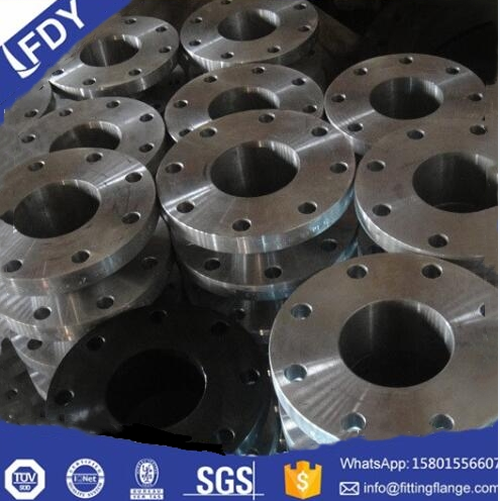
Alloy steel flanges are integral components in various industrial piping systems, serving as crucial connectors that join pipes, valves, pumps, and other equipment. Unlike standard carbon steel flanges, alloy steel flanges are manufactured by adding specific alloying elements to the base steel, which enhances their mechanical properties, corrosion resistance, and ability to withstand extreme temperatures and pressures. This makes them a preferred choice in industries where reliability and durability are non-negotiable, even in the harshest operating conditions. Professionals who work with piping systems often rely on alloy steel flanges for their versatility and performance, as they can be tailored to meet the unique requirements of different applications through careful selection of alloy compositions and manufacturing processes.
The primary advantage of alloy steel flanges lies in their enhanced material properties, which are achieved by incorporating alloying elements such as chromium, molybdenum, nickel, vanadium, and tungsten. Chromium, for instance, improves corrosion resistance and oxidation resistance, making the flanges suitable for use in environments exposed to moisture, chemicals, or high temperatures. Molybdenum boosts the flange’s strength and toughness, especially at elevated temperatures, while nickel enhances ductility and impact resistance, ensuring the flanges can withstand sudden pressure changes or mechanical stress without cracking. These alloying elements work together to create a material that outperforms carbon steel in most demanding scenarios, reducing the need for frequent replacements and maintenance. Those involved in the design and installation of piping systems often prioritize alloy steel flanges for projects that require long-term performance and minimal downtime, as their robust construction helps lower overall operational costs over time.
Alloy steel flanges are used across a wide range of industries, each with its own specific demands. In the oil and gas industry, they are commonly used in upstream, midstream, and downstream operations, including wellheads, pipelines, refineries, and storage facilities. Here, they must withstand high pressures, extreme temperatures, and exposure to corrosive hydrocarbons and saltwater, making their alloy composition critical to ensuring safety and reliability. The power generation industry, both thermal and nuclear, also relies heavily on alloy steel flanges in boilers, turbines, and heat exchangers, where they handle high-temperature steam and aggressive chemicals. Additionally, they are widely used in the chemical processing industry, where they connect pipes carrying corrosive acids, bases, and solvents, as well as in the automotive, aerospace, and marine industries for various structural and fluid-handling applications. Experts in these industries often collaborate with teams that specialize in material selection to ensure the right alloy steel flange is chosen for each specific use case, taking into account factors such as operating temperature, pressure, and chemical exposure.
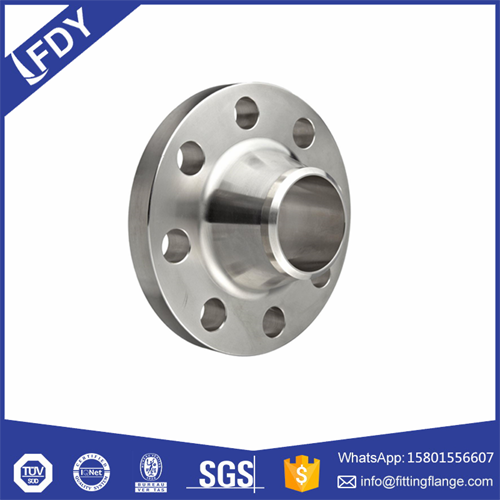
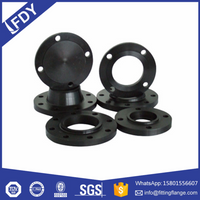
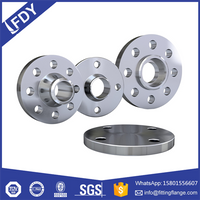
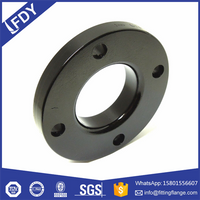
When selecting alloy steel flanges, several key factors must be considered to ensure optimal performance and compatibility with the piping system. First, the alloy composition should be matched to the operating environment—for example, flanges used in high-temperature applications may require a molybdenum-chromium alloy, while those exposed to corrosive chemicals may need a nickel-chromium alloy. Second, the flange type (such as weld neck, slip-on, socket weld, blind, or lap joint) should be selected based on the installation method, pressure rating, and structural requirements of the system. Weld neck flanges, for instance, are ideal for high-pressure applications due to their strong weld connection, while slip-on flanges are easier to install and are suitable for lower-pressure systems. Third, the pressure class and size of the flange must align with the pipes and equipment it will connect, as mismatched components can lead to leaks, pressure drops, and even system failure. Teams that specialize in flange selection often provide guidance on these factors, ensuring that each component is carefully chosen to meet the unique needs of the project.
Proper installation and maintenance are also essential to maximizing the lifespan and performance of alloy steel flanges. During installation, it is critical to ensure that the flange faces are clean, smooth, and free of defects, as any irregularities can cause leaks when the flange is bolted together. The bolts should be tightened to the correct torque specification to ensure a uniform seal, and gaskets should be selected based on the operating temperature, pressure, and chemical environment to prevent gasket failure. Regular inspection and maintenance, including visual checks for corrosion, cracks, or leaks, can help identify potential issues early and prevent costly repairs or system downtime. In some cases, flanges may need to be cleaned or coated to protect against corrosion, especially in harsh environments. Professionals who handle installation and maintenance often follow strict guidelines to ensure that alloy steel flanges remain in optimal condition, extending their service life and ensuring the reliability of the entire piping system.