

We have an excellent technical team, our products in quality and quantity will make you satisfied, welcome to buy

Views: 0 Author: Site Editor Publish Time: 2025-10-22 Origin: Site
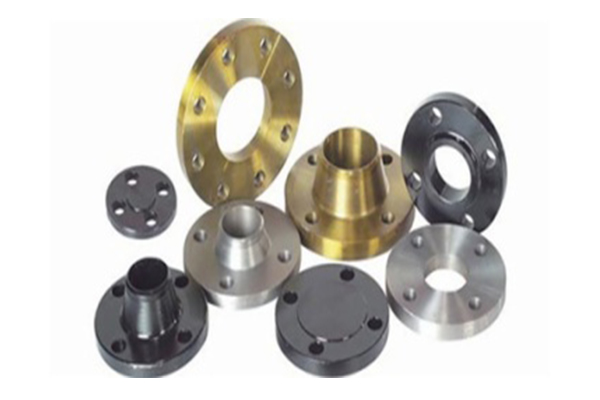
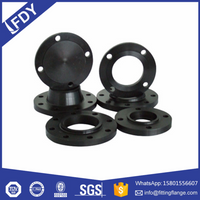
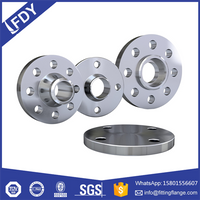
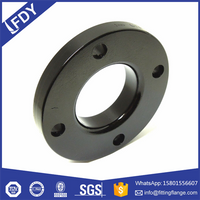
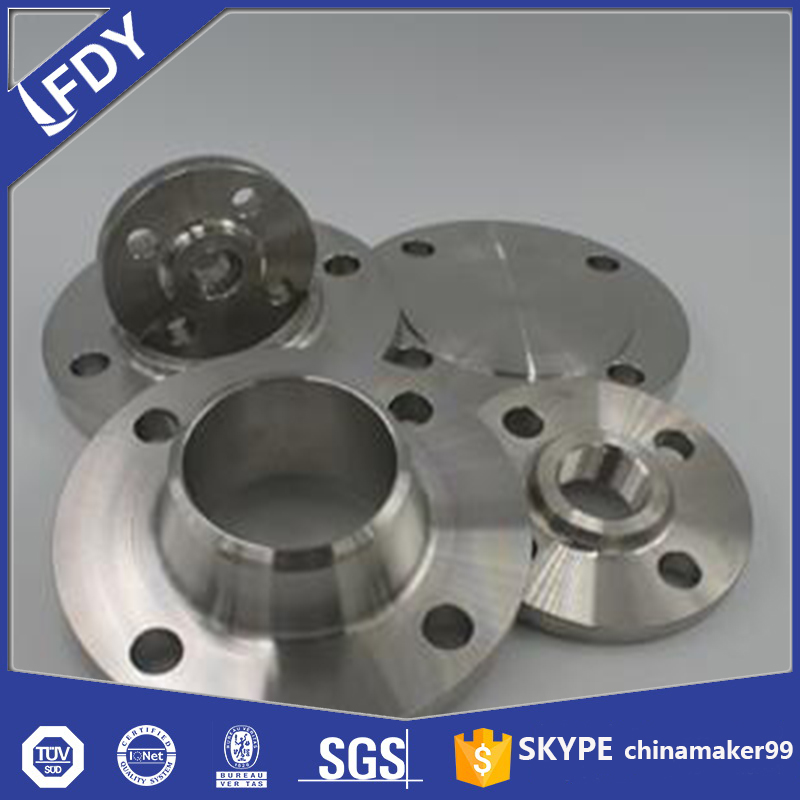
Alloy steel flanges stand as critical components in industrial infrastructure, their value rooted in precision-engineered material chemistry and adaptability to extreme conditions. Unlike basic carbon steel alternatives, these flanges derive unique properties from deliberate alloying, making them indispensable in high-stakes applications worldwide.
The Science of Alloy Composition
At their core, alloy steel flanges combine carbon steel with strategic additions of elements like chromium, molybdenum, nickel, and vanadium . Chromium enhances oxidation resistance, while molybdenum boosts high-temperature strength—key for environments like petrochemical reactors . Common grades include 12Cr1MoV, P91, and 15CrMo, each tailored to specific stressors: P91 excels in power plant boilers, while 15CrMo suits oil refining pipelines . This compositional flexibility lets engineers address unique challenges, from seawater corrosion in marine systems to thermal cycling in nuclear facilities.
Navigating Global Market Dynamics
The alloy steel flange market is experiencing steady growth, driven by energy demand and industrialization. Global market size reached approximately \(850 billion in 2024, with projections to hit \)920 billion by 2025 . Regional trends reveal striking contrasts: North America and Europe dominate mature markets, while Asia-Pacific—led by China and India—emerges as the fastest-growing region, fueled by infrastructure expansion. Notably, demand shifts are favoring alloy steel over carbon steel as industries adopt higher-pressure systems, particularly in deep-sea oil drilling and shale gas extraction.
Standards and Performance Benchmarks
Uniformity across global markets relies on stringent standards. ASME B16.5 (U.S.), EN 1092-1 (Europe), and GB/T 9113 (China) govern dimensions, pressure ratings (from 150 lbs to 900 lbs), and testing protocols . These standards ensure interoperability and safety: for example, RTJ (Ring Type Joint) facings, specified in ASME standards, provide leak-tight seals in high-pressure applications . Performance metrics extend beyond pressure resistance—alloy steel flanges typically maintain tensile strength above 485 MPa and resist corrosion in pH ranges of 2–12, outperforming carbon steel in harsh chemical environments.
Future Trajectories
Three trends are reshaping the sector: material innovation, digitalization, and sustainability. New alloys with reduced nickel content are lowering costs without sacrificing performance . Meanwhile, IoT-integrated manufacturing enables real-time quality monitoring, reducing defect rates . Sustainability efforts focus on recycling scrap alloy steel—currently at a 75% recovery rate—and using renewable energy in production . These advancements position alloy steel flanges as a forward-compatible solution for next-generation industrial systems.
In essence, alloy steel flanges are more than connectors—they are a synthesis of material science and industrial needs. As global industries push toward higher efficiency and durability, their role in ensuring system integrity will only grow more vital.