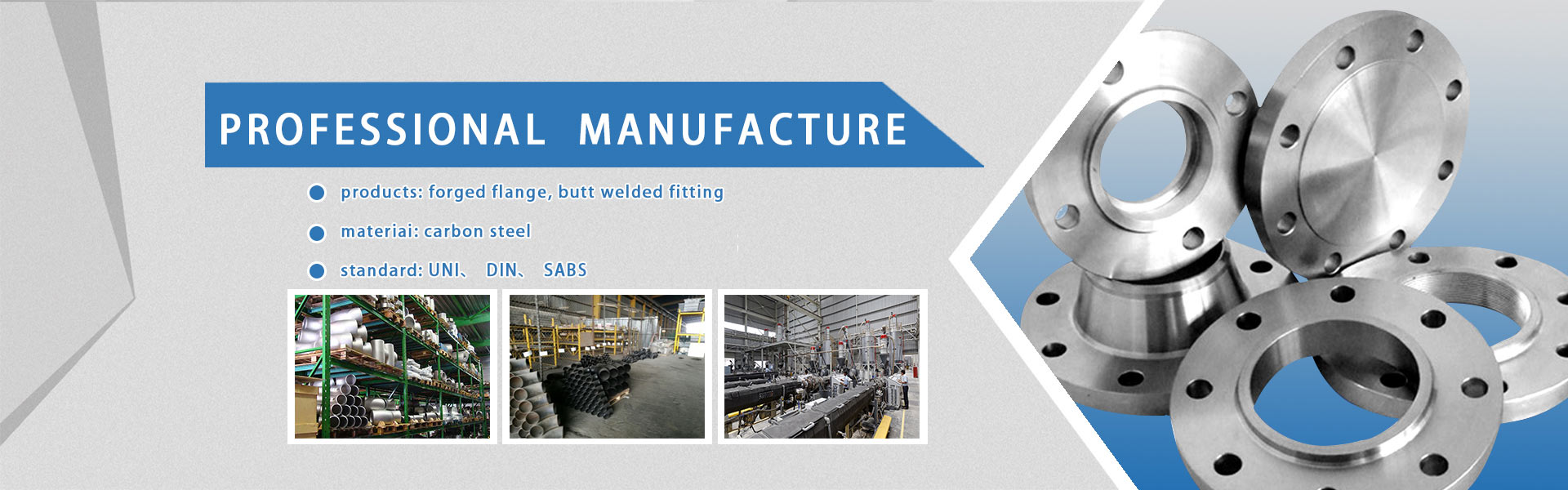

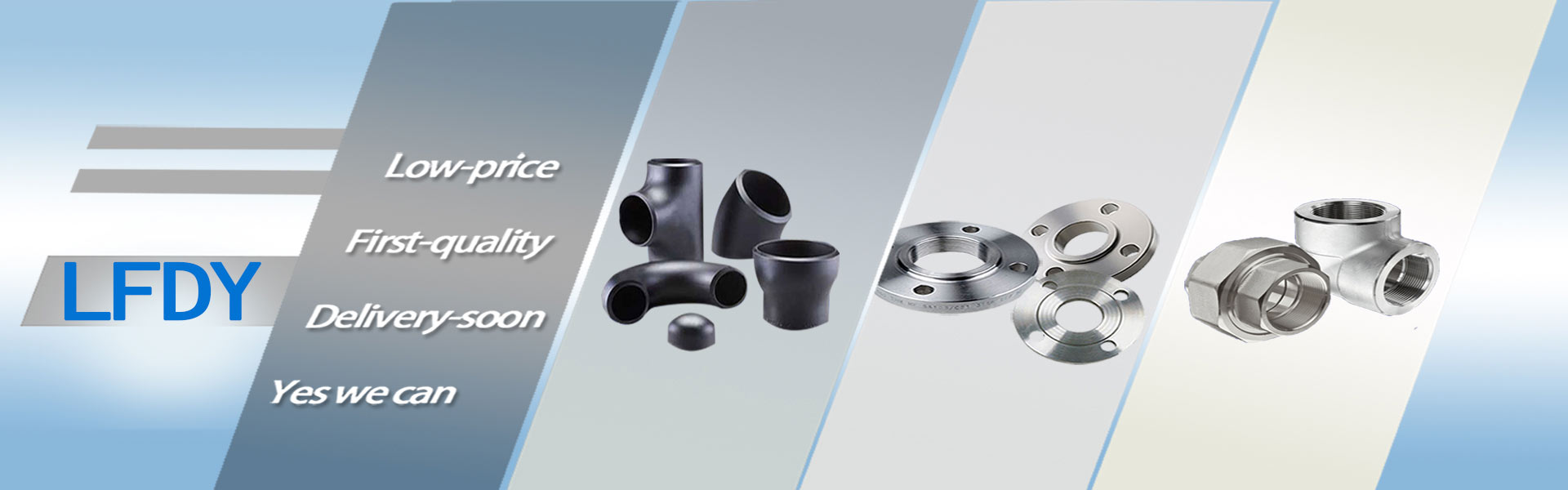

We have an excellent technical team, our products in quality and quantity will make you satisfied, welcome to buy

Views: 0 Author: Site Editor Publish Time: 2025-11-05 Origin: Site
In industrial piping systems, carbon steel flanges serve as indispensable connectors, bridging pipes, valves and equipment with reliability and efficiency. Their widespread adoption stems from a unique combination of mechanical performance, cost-effectiveness and adaptability to diverse operating conditions.
The material composition of carbon steel flanges directly shapes their functionality. Primarily crafted from iron-carbon alloys with 0.05% to 2.1% carbon content, these flanges gain strength from carbon while incorporating trace elements like manganese and silicon for enhanced properties . Common grades include ASTM A105, a mild carbon steel ideal for ambient to high-temperature pressure systems, and ASTM A350 LF2, engineered for low-temperature environments requiring notch toughness . This material versatility allows them to withstand pressures from class 150 to 2500 and temperatures across industrial extremes.
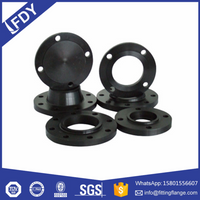
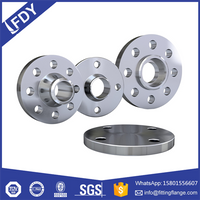
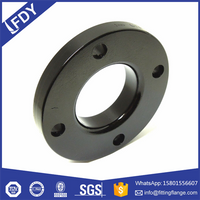
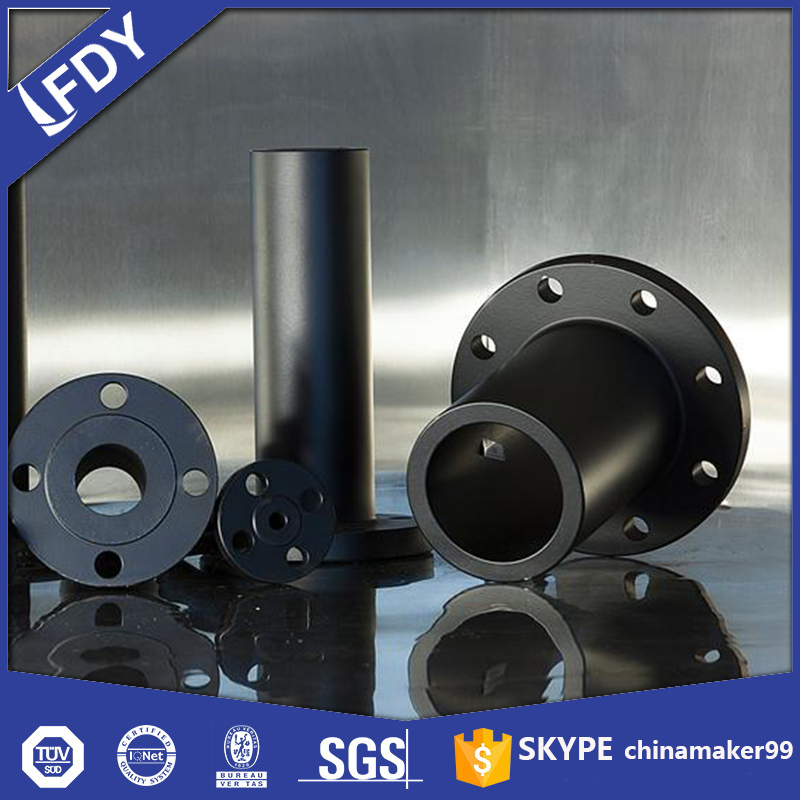
A variety of flange types cater to specific installation needs. Weld neck flanges provide robust connections for high-pressure applications, while slip-on flanges offer ease of installation for low-to-medium pressure systems . Threaded flanges eliminate welding requirements in restricted spaces, and blind flanges seal pipe ends during maintenance . Lap joint and socket weld variants further expand application possibilities, each designed to meet standards like ASME B16.5 for small diameters and ASME B16.47 for large-diameter needs.
Their industrial footprint spans nearly every sector. In oil and gas operations, they maintain leak-proof connections in drilling rigs and pipeline networks . Power plants rely on them for steam and fuel system connections, while chemical facilities value their resistance to corrosive substances . Construction and HVAC systems use them for plumbing and structural links, and even pharmaceutical and food industries utilize them for sanitary fluid transfer . Marine and automotive sectors also depend on their durability in exhaust and propulsion systems.
Adherence to global standards ensures interoperability. Specifications like DIN 2573, JIS B2220 and ISO 7005-1 govern dimensions and performance across regions . Surface finishes, from spiral serrated to smooth (Ra 3.2 micrometers), are tailored to sealing requirements, while coatings like anti-rust oil extend service life.
As a foundational industrial component, carbon steel flanges balance performance and practicality. Their material adaptability, diverse configurations and compliance with global standards make them irreplaceable in maintaining efficient, safe industrial operations worldwide.