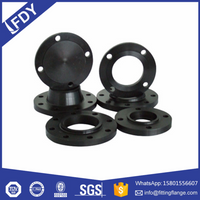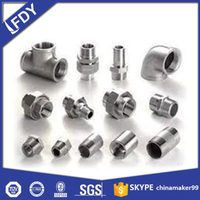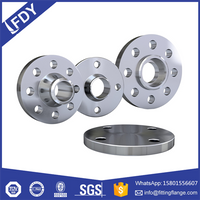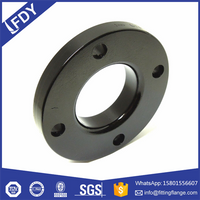

We have an excellent technical team, our products in quality and quantity will make you satisfied, welcome to buy

Forged flanges are widely used in various industries for their superior strength and durability. They are manufactured using a forging process that involves heating a piece of metal and then applying pressure to shape it into the desired form. This process results in a stronger and more durable prod
Forged flanges are stronger and more durable than flanges made by casting or welding. The forging process aligns the grain structure of the metal, resulting in a more uniform and denser material that is less prone to defects and cracks. This increased strength and durability reduce the risk of flang
Forged flanges are made by shaping heated metal using compressive forces, resulting in a product with high strength and durability. This makes them ideal for applications that require resistance to extreme temperatures, pressures, and stresses.Forged flanges are manufactured to strict tolerances, en
The production process of forged flange is mainly divided into forging and casting.Cast and forged flangesThe shape and size of the casting blank are accurate, the machining amount is small and the cost is low, but there are casting defects (porosity, crack and inclusion); the internal structure str
When it comes to choosing a flange for a piping system, there are several options available in the market. While weld neck and slip-on flanges are common choices, forged flanges are also a popular option. But when should you choose a forged flange over the other two? In this article, we will discuss
Production process flow of forged flanges:The forging process generally consists of the following processes: selecting high-quality steel billets for cutting, heating, forming, and cooling after forging. The forging process methods include free forging, die forging, and membrane forging. During prod