
We have an excellent technical team, our products in quality and quantity will make you satisfied, welcome to buy

Views: 0 Author: Site Editor Publish Time: 2025-12-16 Origin: Site
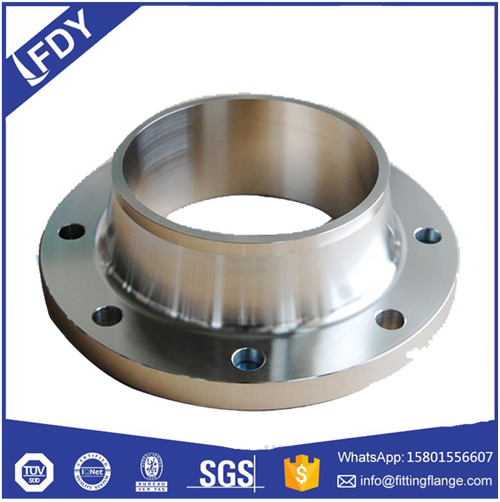
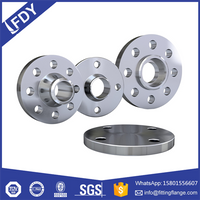
In the industrial pipeline connection system, flanges are key components for achieving segmented pipeline connection, maintenance and repair, and their performance directly determines the operational safety and stability of the pipeline system. Stainless steel flanges have become the preferred solution for pipeline connections under harsh working conditions due to their excellent corrosion resistance, reliable mechanical strength, and wide adaptability to various scenarios. From chemical anti-corrosion and marine engineering to food processing and pharmaceutical manufacturing, stainless steel flanges support the orderly operation of various high-end industrial scenarios with precise connection functions and long-term service life. They are the core components of industrial pipeline systems that combine reliability and professionalism.
The core value of stainless steel flanges first comes from the unique endowment of its material itself. Stainless steel, mainly composed of iron and chromium, with added alloy components such as nickel and molybdenum, occupies a special position in materials science. When the chromium content exceeds 10.5%, a very thin but dense chromium oxide protective film will form on the surface of the steel. This "passivation film" enables stainless steel to achieve corrosion resistance that ordinary carbon steel cannot match.
This material characteristic enables stainless steel flanges to cope with diverse and harsh environments. In chemical pipelines, it resists the erosion of acidic and alkaline media; In coastal power stations, it is resistant to corrosion from salt spray atmosphere; In the food production line, it meets hygiene standards and resists the repeated action of cleaning agents. What's even more valuable is that stainless steel maintains good toughness at low temperatures, making it a key connecting component for cryogenic projects such as liquefied natural gas; At moderate high temperatures, its strength attenuation is much smaller than that of ordinary steel, ensuring the long-term stability of the thermal system.
Stainless steel itself has good strength, toughness, and impact resistance. Flanges made through forging, machining, and other processes can withstand pressure fluctuations, temperature changes, and medium erosion during the operation of pipeline systems. Under high temperature conditions, high-quality stainless steel flanges can still maintain stable mechanical properties without deformation, fracture, or other issues; In low-temperature environments, its toughness does not significantly decrease, making it suitable for complex scenarios with alternating high and low temperatures. At the same time, stainless steel flanges have excellent fatigue resistance and can withstand long-term losses caused by pipeline vibration, extending their service life and reducing maintenance costs in the later stage.
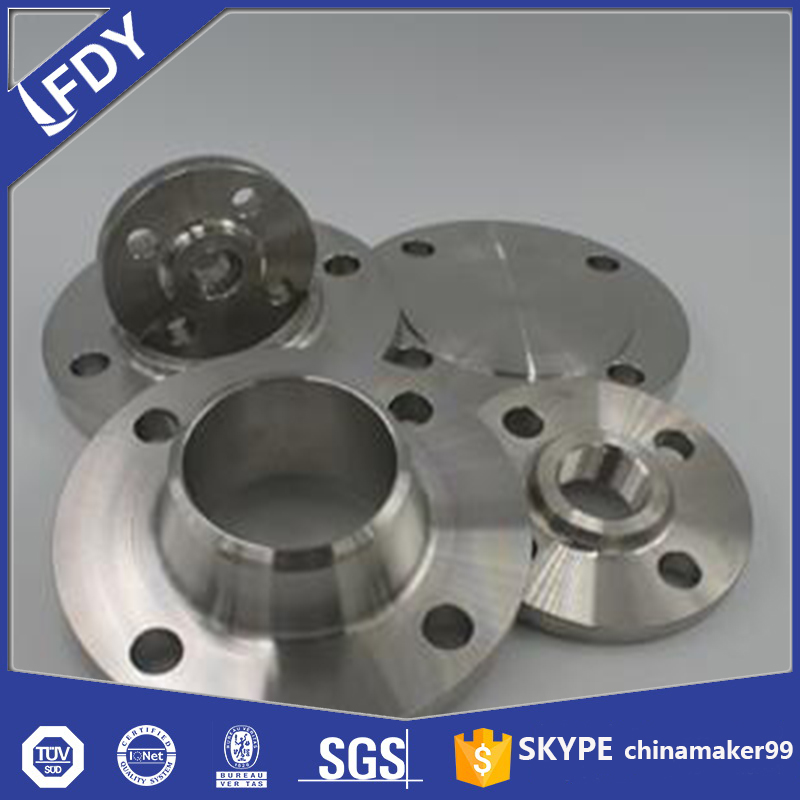
With the development of industrial technology, precision forging, CNC machining and other processes are gradually becoming popular. Precision forging can refine the internal grain structure of stainless steel and enhance the mechanical properties of flanges; Numerical control machining can accurately control the dimensional tolerances of flanges, ensure the flatness and fit of the connection surface, reduce assembly gaps, and improve connection accuracy. The optimization of surface treatment processes has also improved the performance of stainless steel flanges. Common acid pickling and passivation treatments can further enhance the protective effect of surface oxide films and improve corrosion resistance; Polishing treatment can make the flange surface smooth and clean, suitable for industries with high hygiene requirements such as food and medicine.
Stainless steel flanges can become universal components across industries and borders, thanks to a highly standardized system. From the general standards of the International Organization for Standardization, to the pressure piping specifications of the American Society of Mechanical Engineers, and to industry standards in various countries, these technical documents provide detailed regulations on the size, pressure rating, material grouping, testing methods, and marking methods of flanges.
The profound significance of standardization lies in achieving interchangeability and traceability. No matter where the flange is produced, as long as it meets the same standard, it can seamlessly connect during maintenance and replacement. The strict requirements for material chemical composition and mechanical properties specified in the standard, combined with the material quality certificate provided by the manufacturer, have established a complete quality traceability chain from raw materials to finished products, laying the foundation for industrial safety.
Stainless steel flanges, with their core characteristics of corrosion resistance, high strength, and high reliability, have become the core support for connecting high-end industrial pipeline systems. Its development not only meets the connection requirements of harsh working conditions in the industrial field, but also promotes the improvement of pipeline system operation safety and long-term effectiveness. In the wave of high-quality industrial development, stainless steel flanges will continue to optimize their performance through technological innovation, providing more solid connection guarantees for various high-end industrial scenarios and helping to upgrade and develop the industrial system.